Machine Installation

Installation Review and Inventory Verification

Successful machine installation begins long before power is applied. Upon equipment arrival, our team conducts a detailed inventory verification to ensure every component received matches the original order and packing documentation. This process includes confirming machine assemblies, accessories, tooling packages, and optional features. If discrepancies or shortages are identified, we immediately notify the appropriate representatives to resolve the issue as quickly as possible. By validating all assets at the outset, we establish accountability and prevent downstream disruptions. This structured approach supports project transparency while aligning expectations between the customer, manufacturer, and service team.

Mechanical Preparation and System Setup

Once inventory verification is finalized, we begin the physical installation of the machine by carefully removing shipping brackets, restraints, and protective packaging to prevent damage and prepare the equipment for final placement. The machine is then positioned according to approved layout drawings, with close attention to workflow efficiency, operator access, and long-term service clearance.


Next, we install all supporting components, including coolant tanks, chip conveyors, guarding, and any auxiliary systems specified in the order. Each connection point and mounting surface is inspected to confirm proper alignment and secure fastening in accordance with manufacturer standards. By completing these steps methodically, we establish a stable and secure foundation, ensuring the CNC or additive technology system is properly prepared for final leveling, calibration, and accuracy verification.
Utility Verification: Power, Air, and Environmental Requirements

Before startup, incoming utilities must meet required specifications. Our team verifies voltage, phase balance, grounding integrity, and compressed air supply to confirm compliance with manufacturer standards. Inadequate power or air quality can compromise performance, so these checks are essential to protecting long-term reliability.


Environmental conditions are also reviewed, including floor stability and ambient temperature considerations that affect accuracy. By validating infrastructure before activation, we reduce risk and ensure the equipment operates within engineered parameters.

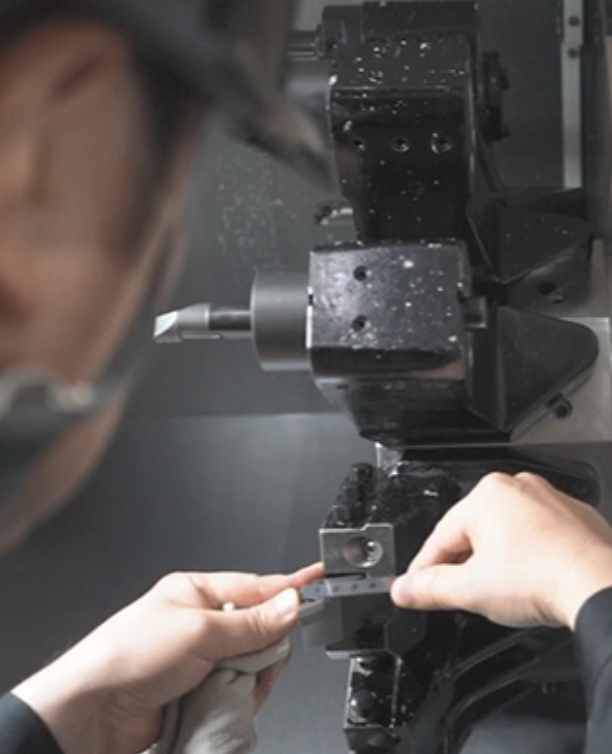
Mazak Service technician working on an installation
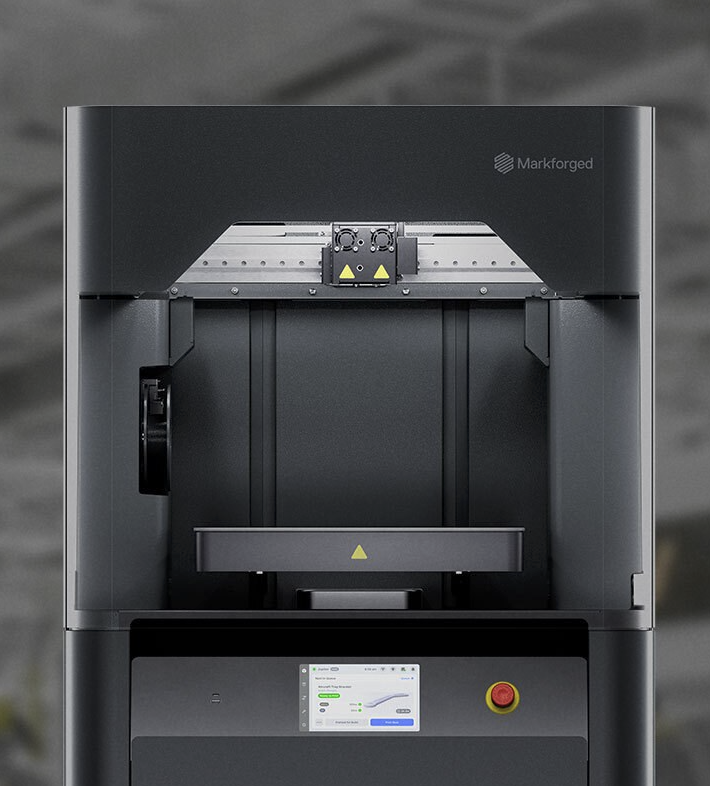
FX10-applications

Precision Leveling and Accuracy Calibration

Machine performance depends on precise leveling and geometric alignment. During installation, technicians perform both rough and finish leveling using calibrated instruments to achieve manufacturer-recommended tolerances. This process establishes a stable base that supports long-term machining accuracy and repeatability.


Following leveling, we conduct comprehensive accuracy checks across axes to confirm positioning performance. Ballbar testing, laser calibration, and geometric verification are completed as required for the specific CNC or additive technology platform. Measuring systems integrated within the machine are also calibrated to ensure reliable inspection and probing functions.


This disciplined calibration process ensures the equipment meets performance standards before production begins.

Option Integration and Functional Testing

If machining system deliveries include optional features such as automation interfaces, probing packages, extended tool capacity, or additive technology modules, our service technicians will integrate and configure them to align with the application requirements. After configuration, we execute complete functional testing across all machine operations. This includes verifying axis movement, spindle performance, safety systems, tool changers, coolant delivery, and control interfaces under operating conditions. For additive manufacturing platforms, material handling, print calibration, and software connectivity are validated within the 3D Printing Software environment. This comprehensive testing confirms operational readiness and eliminates uncertainty prior to production release.

Customer Sign-Off and Production Release

When installation, calibration, and testing are complete, the system undergoes a final performance review with the customer. Documentation is provided to confirm that all installation milestones have been achieved and that the equipment meets specified requirements. Upon approval, the customer signs off on the machine, formally releasing it to production. At this stage, the equipment transitions from installation status to active manufacturing asset, fully prepared to support CNC machining or additive technology workflows. Through a structured, detail-driven installation process, we ensure every system enters production with verified accuracy, validated functionality, and long-term performance confidence.